
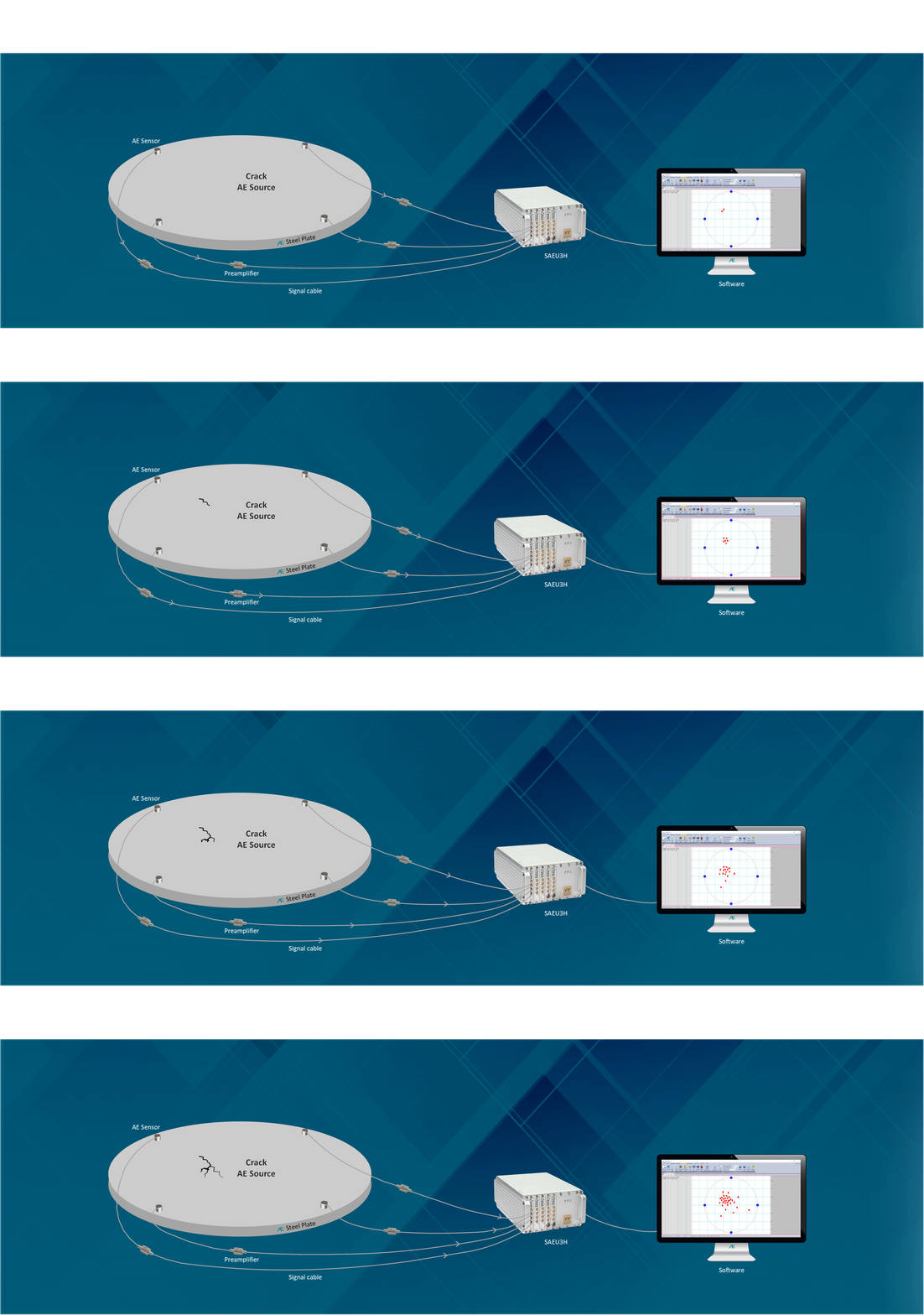
Differential Acoustic Emission Sensors
AE sensors designed to improve noise resistance in electrically noisy industrial environments
Differential acoustic emission sensors are designed to improve signal quality by reducing common-mode electrical interference during AE testing and monitoring. Compared with standard single-ended sensors, differential AE sensors are especially useful in industrial environments where electromagnetic interference, long cable runs, rotating equipment, motors, welding machines, or other electrical noise sources may affect signal reliability.
These sensors are suitable for field inspection, online monitoring, equipment diagnostics, and structural health monitoring applications that require stable AE signal acquisition under noisy operating conditions. They are often used together with compatible differential preamplifiers or acquisition systems to achieve better anti-interference performance.
Available Differential AE Sensor Models
Browse the differential AE sensor models below to compare frequency range, sensitivity, structure, connector type, protection grade, and typical applications. Click each model for detailed specifications and compatibility information.
-
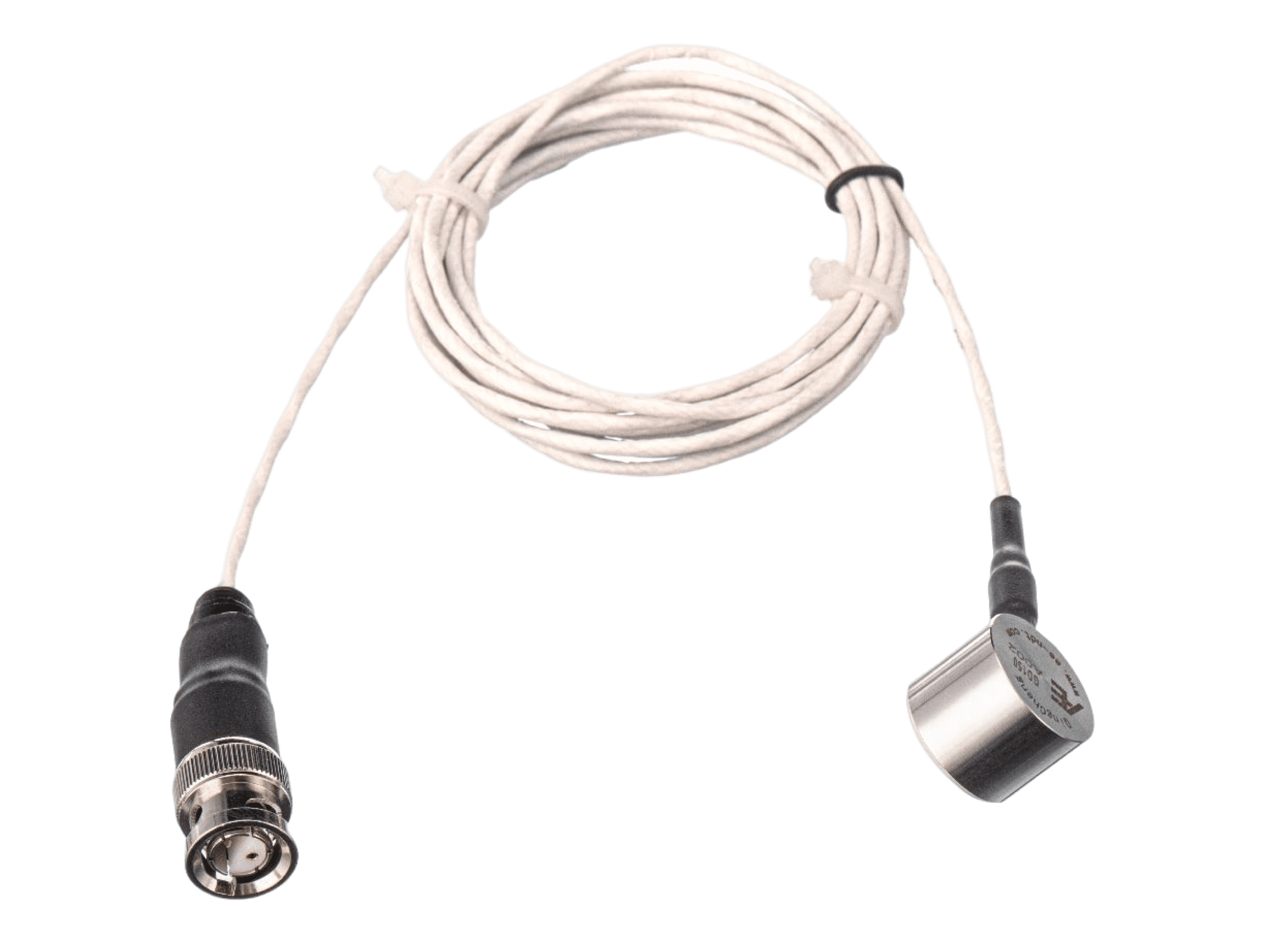
GD150 Sensor
The GD150 is a differential waterproof narrow band sensor with 2.2 meters cable, it is suitable for working in noisy environment, could effectively suppress the common-mode noise.
More Information -
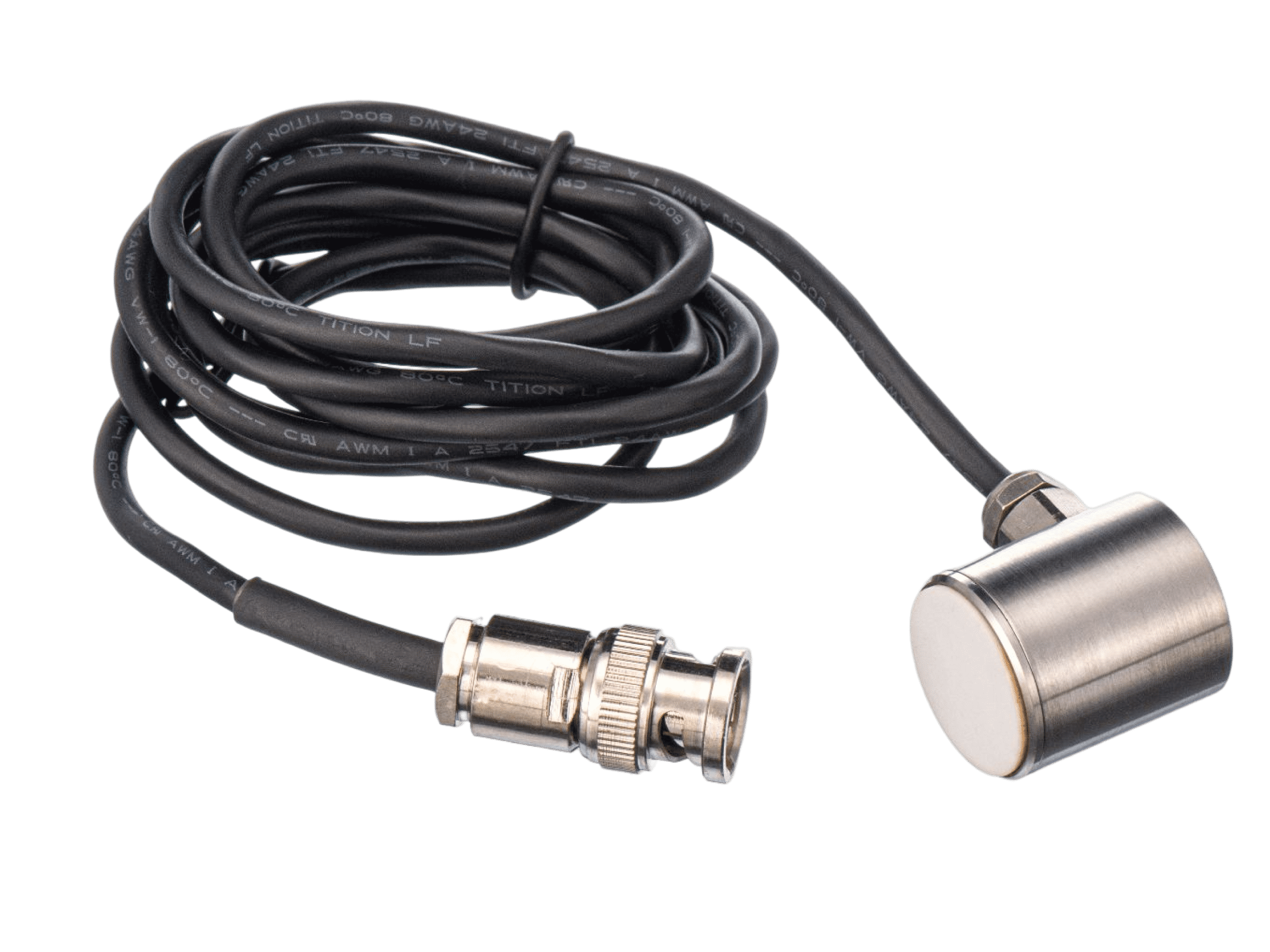
GD40 Sensor
GD40 is a differential waterproof narrow band sensor with 1.7 meters cable, it is suitable for working in noisy environment, could effectively suppress the common-mode noise.
More Information
- Totally 1 Page/ 2 Items
About Qawrums AE Sensors
Qawrums (also known as QingCheng) is an ISO 9001:2015 manufacturer and supplier of acoustic emission sensors, AE acquisition systems, and condition monitoring solutions. We provide general purpose AE sensors, broadband sensors, high-temperature sensors, integral preamplifier sensors, intrinsically safe sensors, miniature sensors, and customized sensor solutions for industrial testing and structural health monitoring.
Our technical team supports sensor selection based on frequency range, sensitivity, installation conditions, operating temperature, cable length, and application requirements. Contact us if you need help choosing a suitable AE sensor for your project.